



Доволен клиент съм. Намирам нужните продукти на добри цени. Харесват ми и честите промоционални оферти.
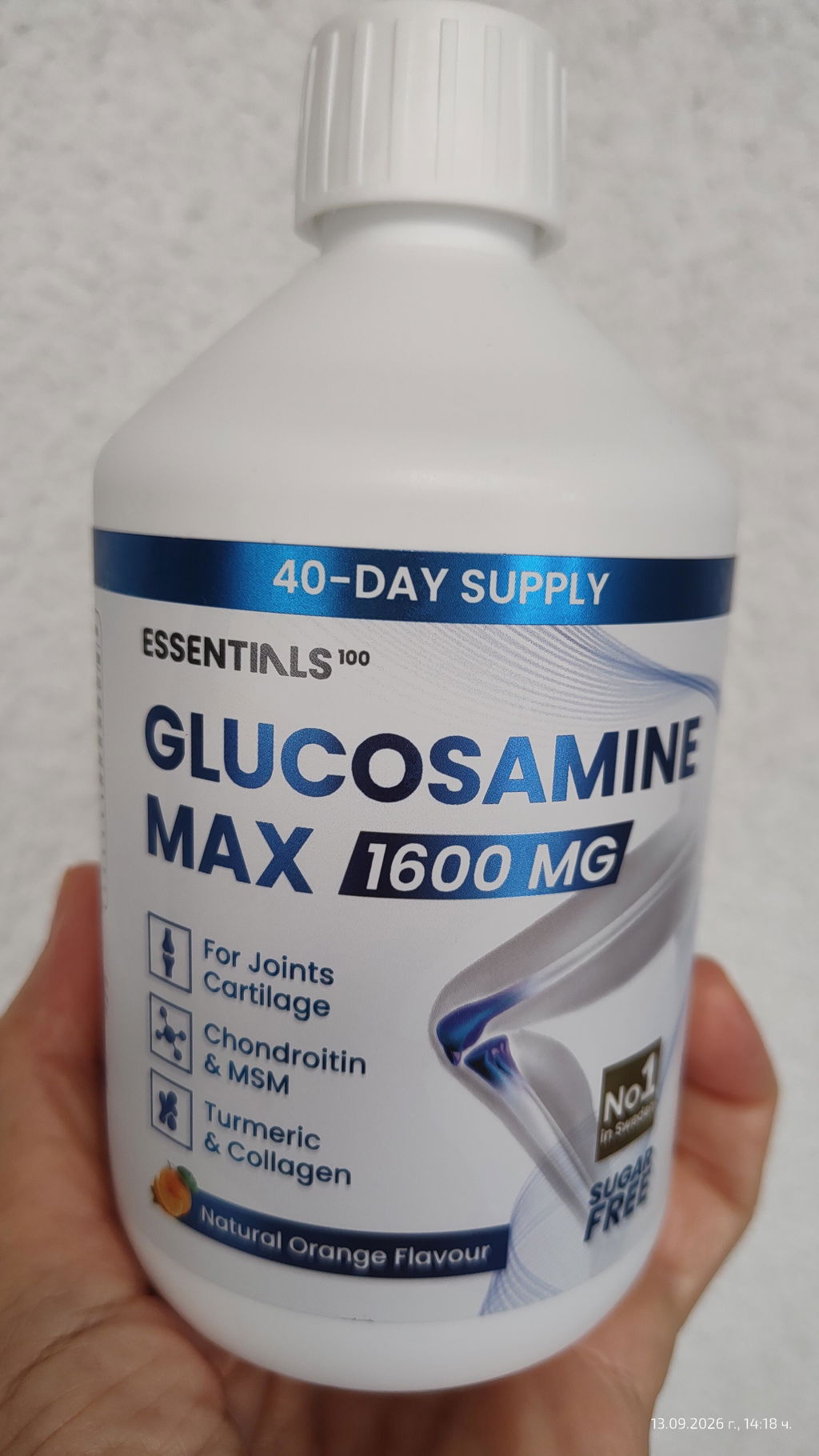
Пазарувам от дълго време в този сайт. Продуктите са качествени и на по изгодни цени от аптеките. Коректност при доставките. Би било добре ако включите като обция и безплатна доставка, независимо от крайната сума до BOX NOW.
Благодаря ви за успешно направената покупка от вас!Бъдете все така позитивни и отговорни към хората който ви се доверяват за направените покупки.
Цените са много изгодни, а ало някой се чуди дали за тези пари нещата са оригинални - да, абсолютно.
Макар , че не идват бързо, продуктите ми харесват. Цените са изгодни ,има асортимент.
Благодаря за качествените продукти и бързата доставка.
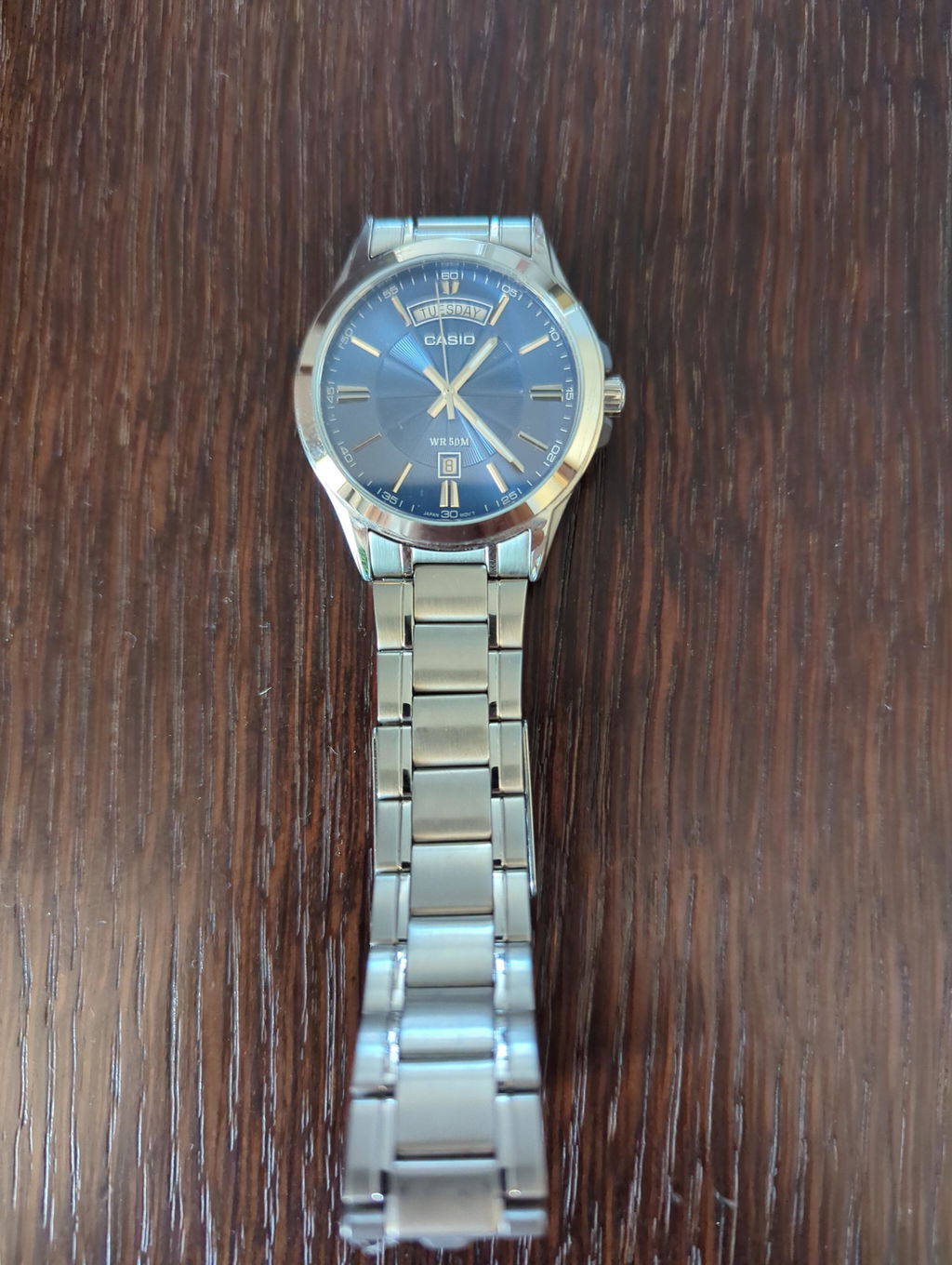
Всичко с доставката ми беше наред. Много съм доволна. Благодаря!